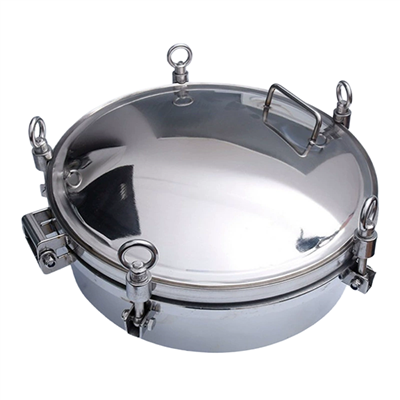

A pressure manhole is a crucial component in a sewer system, designed to withstand internal pressures and provide access for maintenance and inspection. As a pressure manhole supplier, we understand the importance of proper installation to ensure the long - term performance and safety of the sewer system. In this blog, we will discuss the installation requirements for a pressure manhole in a sewer system.
Site Preparation
Before installing a pressure manhole, thorough site preparation is essential. The first step is to conduct a detailed site survey. This survey should include an assessment of the soil conditions, groundwater levels, and the location of existing utilities. The soil type can significantly affect the stability of the manhole. For example, soft or loose soil may require additional foundation support. If the groundwater level is high, proper dewatering measures need to be taken to prevent water from seeping into the excavation during installation.


The excavation for the manhole should be large enough to accommodate the manhole structure and allow for proper backfilling and compaction around it. The depth of the excavation should be based on the design requirements of the sewer system and the size of the manhole. It is important to ensure that the excavation is level and has a proper slope to allow for the flow of wastewater.
Foundation Requirements
A stable foundation is critical for the proper functioning of a pressure manhole. The foundation should be able to support the weight of the manhole and the loads imposed on it, such as traffic loads and internal pressures. For most pressure manholes, a concrete foundation is recommended. The concrete should be of high - strength and have proper reinforcement to prevent cracking.
The thickness of the concrete foundation depends on the size and type of the manhole, as well as the soil conditions. In some cases, a gravel base may be used under the concrete foundation to improve drainage and provide additional support. The foundation should be level and have a smooth surface to ensure a proper fit for the manhole.
Manhole Structure Installation
When installing the pressure manhole structure, it is important to follow the manufacturer's instructions. The manhole should be carefully lowered into the excavation using appropriate lifting equipment. The alignment of the manhole with the sewer pipes is crucial. The inlet and outlet pipes of the manhole should be properly connected to the sewer pipes using appropriate gaskets or seals to prevent leaks.
The joints between the manhole sections should be sealed properly to prevent the ingress of water and wastewater. This can be achieved using rubber gaskets or sealants. The manhole cover, which is an important part of the structure, should be installed securely. There are different types of manhole covers available, such as Steel Manway and Industrial Manhole Cover, and Stainless Manway. The choice of the manhole cover depends on the application and the load requirements.
Backfilling and Compaction
After the manhole structure is installed, backfilling is carried out. The backfill material should be free of large rocks, debris, and organic matter. It is recommended to use granular material such as sand or gravel for backfilling. The backfill should be placed in layers and compacted properly to ensure the stability of the manhole.
The compaction process is important to prevent settlement of the manhole. The compaction should be done using appropriate equipment, such as plate compactors or vibratory rollers. The compaction effort should be sufficient to achieve the required density of the backfill material. The backfill should be placed around the manhole in a uniform manner to avoid uneven settlement.
Testing and Inspection
Once the installation is complete, the pressure manhole should be tested to ensure its integrity. A pressure test can be conducted to check for leaks in the manhole structure and the pipe connections. The test pressure should be based on the design requirements of the sewer system.
Inspection is also an important part of the installation process. The manhole should be inspected for proper alignment, sealing, and structural integrity. Any defects or issues should be addressed immediately to ensure the proper functioning of the sewer system.
Safety Considerations
During the installation of a pressure manhole, safety should be a top priority. Workers should be provided with appropriate personal protective equipment (PPE), such as hard hats, safety glasses, and gloves. The excavation site should be properly barricaded to prevent unauthorized access.
The lifting equipment used for installing the manhole should be inspected regularly to ensure its safety. Workers should be trained on the proper use of the equipment and the installation procedures. In case of any emergency, appropriate safety measures should be in place, such as first - aid kits and emergency evacuation plans.
Environmental Considerations
The installation of a pressure manhole should also take into account environmental factors. The excavation and backfilling process can have an impact on the surrounding environment. To minimize the environmental impact, measures such as erosion control and sediment management should be implemented.
The wastewater generated during the installation process should be properly managed to prevent pollution. Any chemicals or lubricants used during the installation should be disposed of in accordance with environmental regulations.
Maintenance Requirements
After the installation of the pressure manhole, regular maintenance is required to ensure its long - term performance. The manhole cover should be inspected regularly for damage or wear. The gaskets and seals should be checked for leaks and replaced if necessary.
The interior of the manhole should be cleaned periodically to remove any debris or sediment. The sewer pipes connected to the manhole should also be inspected for blockages or damage. Regular maintenance can help prevent costly repairs and ensure the proper functioning of the sewer system.
In conclusion, the installation of a pressure manhole in a sewer system requires careful planning, proper site preparation, and strict adherence to installation requirements. As a pressure manhole supplier, we are committed to providing high - quality products and technical support to ensure the successful installation of our manholes. If you are interested in purchasing pressure manholes or need more information about their installation, please feel free to contact us for further discussion and procurement negotiations.
References
- ASCE (American Society of Civil Engineers). Sewer System Design and Construction Standards.
- ASTM (American Society for Testing and Materials). Standards for Manhole Materials and Installation.