


What are the installation costs associated with a magnetic bag filter?
As a supplier of magnetic bag filters, I often get asked about the installation costs associated with these essential filtration devices. Understanding these costs is crucial for businesses looking to invest in a magnetic bag filter system. In this blog, I'll break down the various factors that contribute to the installation costs and provide insights to help you make an informed decision.
Initial Equipment Costs
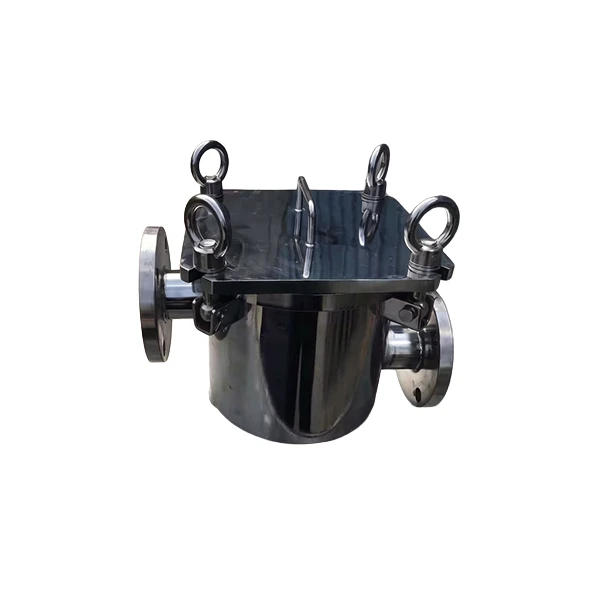
The first and most obvious cost is the price of the magnetic bag filter itself. The cost of a magnetic bag filter can vary widely depending on several factors, including the size, capacity, and the quality of the materials used. Larger filters with higher flow rates and more advanced features will generally cost more. For example, a small, basic magnetic bag filter for a low - volume application might cost a few hundred dollars, while a large - scale industrial filter can cost several thousand dollars.
When considering the initial equipment cost, it's important to look at the long - term value. A high - quality magnetic bag filter may have a higher upfront cost but can offer better performance, longer service life, and lower maintenance requirements, which can result in cost savings over time.
Installation Labor Costs
Installing a magnetic bag filter typically requires professional labor. The complexity of the installation process depends on the type of system and the specific requirements of your facility. If the installation is straightforward, such as a simple point - of - use filter in a small workshop, the labor cost may be relatively low. However, for large - scale industrial installations, where the filter needs to be integrated into a complex piping system, the labor cost can be significant.
The labor cost is usually calculated based on the number of hours required for the installation. Skilled technicians are needed to ensure that the filter is installed correctly, which includes proper alignment, connection to the existing system, and testing to ensure it functions properly. Some suppliers, like us, offer installation services as part of the package, which can simplify the process and provide peace of mind.
Piping and Fittings
In addition to the filter itself, you'll need to account for the cost of piping and fittings. The type and size of the piping required depend on the flow rate and pressure of the system. High - quality piping and fittings are essential to ensure a leak - free and efficient installation.
For example, if your system operates at high pressure, you'll need to use pipes and fittings that can withstand the pressure. Stainless steel is a popular choice for its durability and corrosion resistance, but it can be more expensive than other materials. The cost of piping and fittings can add a significant amount to the overall installation cost, especially for larger systems.
Electrical and Control Systems
Many magnetic bag filters require electrical power to operate, especially those with advanced features such as automated cleaning mechanisms. The cost of installing the electrical wiring and control systems can vary depending on the complexity of the filter.
If the filter needs to be integrated with an existing control system, additional programming and setup may be required. This can increase the installation cost, but it also allows for better control and monitoring of the filtration process. For example, an automated control system can adjust the filter's operation based on the pressure differential, ensuring optimal performance and reducing the need for manual intervention.
Testing and Commissioning
Once the magnetic bag filter is installed, it needs to be tested and commissioned to ensure it is working properly. This involves checking for leaks, verifying the flow rate, and ensuring that the filter is removing contaminants effectively.
Testing and commissioning are essential steps to ensure the long - term performance of the filter. The cost of testing and commissioning includes the labor and any additional equipment or materials needed for the tests. Some suppliers offer a comprehensive commissioning service, which can help identify and address any issues before the filter is put into full operation.
Comparison with Other Filter Types
It's also worth comparing the installation costs of magnetic bag filters with other types of filters. For example, a Magnetic Strainer Filter may have a different installation process and cost structure. Magnetic strainer filters are often used for coarse filtration and can be less expensive to install in some cases.
On the other hand, a Duplex Basket Filter is designed for continuous operation and may require a more complex installation due to its dual - basket design. Similarly, a Microporous Membrane Filter is used for fine filtration and may have specific installation requirements related to maintaining a clean environment.

Conclusion
The installation costs associated with a magnetic bag filter are influenced by several factors, including the initial equipment cost, labor, piping, electrical systems, and testing. While the upfront cost may seem significant, it's important to consider the long - term benefits of a high - quality filtration system.
If you're considering investing in a magnetic bag filter, I encourage you to contact us to discuss your specific needs. Our team of experts can provide you with a detailed cost estimate and help you choose the right filter for your application. We can also assist with the installation process to ensure a smooth and efficient setup.
Investing in a magnetic bag filter is an important decision for your business. By understanding the installation costs and working with a reliable supplier, you can ensure that you get the best value for your investment.
References
- Industry standards for filtration system installation
- Manufacturer's guidelines for magnetic bag filter installation


