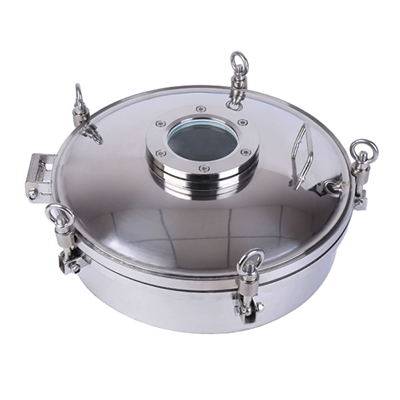

Hey there! As a supplier of stainless manways, I've been in the game for quite a while, and I often get asked about the international standards for these nifty pieces of equipment. So, I thought I'd take a deep dive into this topic and share what I know.
Why International Standards Matter
First off, let's talk about why international standards are so important. In the world of stainless manways, having a set of common standards ensures that the products are safe, reliable, and compatible across different regions. Whether you're in Europe, Asia, or the Americas, you want to know that the manway you're using meets a certain quality benchmark.
These standards cover a wide range of aspects, from the material composition to the design and performance. For instance, the material used in a stainless manway needs to be of high quality to resist corrosion, especially in harsh environments. International standards specify the type of stainless steel that should be used, such as 304 or 316, which are known for their excellent corrosion resistance.
Design and Dimensions
When it comes to the design of a stainless manway, international standards play a crucial role. The size and shape of the manway need to be standardized to ensure proper fit and functionality. For example, the diameter of the manway opening is carefully defined to match the requirements of different applications. Whether it's for a small storage tank or a large industrial vessel, the manway needs to be the right size to allow easy access for maintenance and inspection.
The thickness of the manway wall is also an important factor. It needs to be thick enough to withstand the pressure and stress that it will be subjected to. International standards provide guidelines on the minimum wall thickness based on the intended use of the manway.
Safety Features
Safety is a top priority when it comes to stainless manways. International standards require that manways have certain safety features to prevent accidents and ensure the well - being of workers. For example, manways should have a proper locking mechanism to prevent unauthorized access. This can be a simple latch or a more sophisticated locking system, depending on the application.
Another important safety feature is the presence of gaskets. Gaskets are used to create a tight seal between the manway and the vessel, preventing leaks and ensuring that the contents of the vessel are contained safely. International standards specify the type of gasket material that should be used, as well as the requirements for its installation.


Testing and Certification
To ensure that a stainless manway meets international standards, it needs to undergo rigorous testing. This includes pressure testing, leak testing, and material analysis. Pressure testing is used to check if the manway can withstand the specified pressure without any deformation or leakage. Leak testing is done to ensure that there are no leaks in the manway, which could lead to safety hazards.
Once a manway passes all the required tests, it can be certified. Certification is an important mark of quality, as it indicates that the manway has met the international standards. When you're looking for a stainless manway, make sure to choose one that is certified.
Our Products and International Standards
As a stainless manway supplier, we take international standards very seriously. All of our products are designed and manufactured to meet the highest international standards. We use only the best quality stainless steel, and our manways are tested thoroughly before they are shipped to our customers.
We offer a wide range of stainless manways, including Industrial Manhole Cover, Quick Opening Manhole, and Quick Opening Manway. These products are suitable for various applications, from small - scale industrial use to large - scale commercial projects.
How to Choose the Right Manway
When choosing a stainless manway, there are a few things you need to consider. First, think about the application. What kind of vessel will the manway be used for? Is it a storage tank, a pressure vessel, or something else? The application will determine the size, design, and features of the manway.
Next, consider the environment. If the manway will be used in a corrosive environment, you'll need to choose a manway made of a corrosion - resistant material, such as 316 stainless steel. You also need to think about the temperature and pressure conditions that the manway will be exposed to.
Finally, look for a manway that is certified to meet international standards. This will give you peace of mind knowing that the manway is safe and reliable.
Contact Us for Your Manway Needs
If you're in the market for a stainless manway, we'd love to hear from you. We have a team of experts who can help you choose the right manway for your specific needs. Whether you have questions about international standards, product specifications, or pricing, we're here to assist you.
Don't hesitate to reach out to us if you're interested in purchasing a stainless manway. We're committed to providing high - quality products and excellent customer service. Let's work together to find the perfect manway for your project.
References
- "International Standards for Industrial Vessels and Manways", International Organization for Standardization (ISO)
- "Guidelines for Stainless Steel Manway Design and Manufacturing", American Society of Mechanical Engineers (ASME)