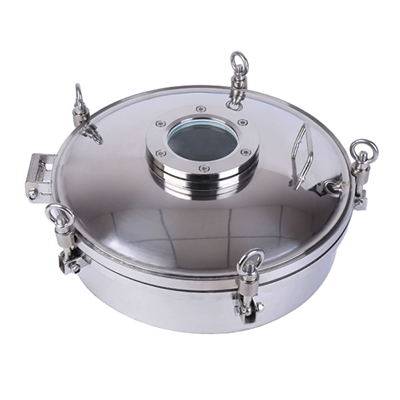

Measuring the filtration performance of a Duplex Basket Filter is crucial for ensuring its effectiveness in various industrial applications. As a supplier of Duplex Basket Filters, I understand the significance of accurate performance measurement and the impact it has on our customers' operations. In this blog post, I will discuss the key factors and methods for measuring the filtration performance of a Duplex Basket Filter.


Understanding the Basics of Duplex Basket Filters
Before delving into the measurement techniques, it's important to have a clear understanding of what a Duplex Basket Filter is and how it works. A Duplex Basket Filter is a type of industrial filter that consists of two filter baskets housed in a single unit. This design allows for continuous filtration by enabling one basket to be in operation while the other is being cleaned or replaced. The filter baskets are typically made of stainless steel or other durable materials and are designed to trap solid particles and contaminants from a fluid stream.
Key Factors Affecting Filtration Performance
Several factors can influence the filtration performance of a Duplex Basket Filter. These include:
- Particle Size and Distribution: The size and distribution of the particles in the fluid being filtered play a significant role in determining the filter's efficiency. Smaller particles are more difficult to capture, and a filter with a finer mesh size may be required to achieve the desired level of filtration.
- Flow Rate: The flow rate of the fluid through the filter can also affect its performance. Higher flow rates may result in reduced filtration efficiency as the particles have less time to be captured by the filter media.
- Filter Media: The type and quality of the filter media used in the Duplex Basket Filter can have a significant impact on its performance. Different filter media have different filtration characteristics, such as pore size, porosity, and surface area, which can affect the filter's ability to capture particles.
- Operating Conditions: The operating conditions, such as temperature, pressure, and chemical composition of the fluid, can also affect the filtration performance of the Duplex Basket Filter. For example, high temperatures or corrosive chemicals may degrade the filter media and reduce its effectiveness.
Methods for Measuring Filtration Performance
There are several methods for measuring the filtration performance of a Duplex Basket Filter. Some of the most common methods include:
- Particle Counting: Particle counting is a widely used method for measuring the filtration performance of a filter. This method involves using a particle counter to measure the number and size of particles in the fluid before and after passing through the filter. By comparing the particle counts, it is possible to determine the filter's efficiency in removing particles from the fluid.
- Pressure Drop Measurement: Pressure drop measurement is another important method for measuring the filtration performance of a Duplex Basket Filter. The pressure drop across the filter is the difference in pressure between the inlet and outlet of the filter. As the filter becomes clogged with particles, the pressure drop across the filter increases. By monitoring the pressure drop, it is possible to determine when the filter needs to be cleaned or replaced.
- Filtration Efficiency Testing: Filtration efficiency testing involves passing a known amount of a test fluid containing a specific concentration of particles through the filter and measuring the amount of particles that are removed by the filter. The filtration efficiency is then calculated as the percentage of particles removed by the filter.
- Visual Inspection: Visual inspection is a simple but effective method for evaluating the condition of the filter media. By visually inspecting the filter media, it is possible to detect any signs of damage, clogging, or wear. This can help to identify potential problems with the filter and determine when it needs to be replaced.
Importance of Regular Maintenance and Monitoring
Regular maintenance and monitoring are essential for ensuring the optimal performance of a Duplex Basket Filter. By following a regular maintenance schedule, it is possible to prevent the filter from becoming clogged and to extend its lifespan. Some of the key maintenance tasks for a Duplex Basket Filter include:
- Cleaning the Filter Baskets: The filter baskets should be cleaned regularly to remove any accumulated particles and contaminants. This can be done by removing the baskets from the filter housing and washing them with a suitable cleaning solution.
- Replacing the Filter Media: The filter media should be replaced periodically to ensure that it is still effective in capturing particles. The frequency of replacement will depend on the operating conditions and the type of filter media used.
- Monitoring the Pressure Drop: The pressure drop across the filter should be monitored regularly to detect any signs of clogging or reduced performance. If the pressure drop exceeds the recommended level, the filter should be cleaned or replaced.
- Inspecting the Filter Housing: The filter housing should be inspected regularly for any signs of damage or leaks. If any damage is detected, it should be repaired or replaced immediately to prevent further problems.
Conclusion
Measuring the filtration performance of a Duplex Basket Filter is essential for ensuring its effectiveness in various industrial applications. By understanding the key factors and methods for measuring filtration performance, and by following a regular maintenance and monitoring schedule, it is possible to ensure that the filter is operating at its optimal level and providing the desired level of filtration.
If you are interested in learning more about our Duplex Basket Filters or other filtration products, such as Magnetic Rod Filter, Magnetic Bag Filter, or Multi Bag Filter, please feel free to contact us. We would be happy to discuss your specific requirements and provide you with a customized solution.
References
- "Filtration Handbook," by Peter A. Schweitzer
- "Industrial Filtration Technology," by David W. Green and Robert H. Perry
- "Filtration and Separation," a peer-reviewed journal published by the Institution of Chemical Engineers